The Argument in One Sentence
MLB bobbleheads are a player in a uniform standing on a base. MiLB bobbleheads are a slice of pizza with googly eyes riding a motorcycle.
That's the post. Thanks for reading.
Okay, fine — let me explain why.
The Player Turnover Problem
To understand why MiLB bobbleheads look the way they do, you need to understand how the Minor League system works.
How the Affiliate System Works
Every MLB team operates a chain of four Minor League affiliates:
| Level | Purpose |
|---|---|
| Triple-A | One step from the majors. MLB-ready players waiting for a call-up or rehabbing. |
| Double-A | The real development level. Where prospects become professionals. |
| High-A | Advanced skills refinement. Faster pitching, better competition. |
| Single-A | First full-season assignment. Learning the pro grind. |
The reality: MiLB teams don't choose their players. The MLB parent club controls the roster. A fan-favorite shortstop in Lansing can get promoted to West Michigan on a Tuesday with zero notice. The team has no say.
This creates a marketing problem. If you're the Lehigh Valley IronPigs (Phillies Triple-A), your best hitter might be in Philadelphia by the time his bobblehead night rolls around. Trey Yesavage was drafted in 2024 by the Toronto Blue Jays. He started the 2025 season for the Single-A Dunedin Bluejays, moved to the High-A Vancouver Canadians, Double-A New Hampshire Fisher Cats, and Triple-A Buffalo Bisons before making his MLB debut for the Toronto Blue Jays on September 15, 2025.
So MiLB teams learned to build their identities — and their bobblehead calendars — around things that don't get called up to the big leagues.
What MiLB Does Instead
When you can't rely on player names to sell tickets, you lean into creativity. MiLB teams have turned bobblehead nights into an art form by focusing on five categories that never get called up to the majors:
1. Mascots Gone Wild
Every MiLB team has a mascot, and most of those mascots have more cultural equity with local fans than any individual player. The Lehigh Valley IronPigs have Ferrous and FeFe. The Toledo Mud Hens have Muddy. The Sacramento River Cats have Dinger. These characters are permanent — they don't get traded, they don't have agents, and they show up to every game.
This season alone, MiLB teams are giving away bobbleheads of: - Victory Dinger (River Cats) — the mascot in a victory pose - Sparkee Mini Bobbleheads (Somerset Patriots) — with a Shrek appearance tie-in - Stinger Bee Bobblehead (Toledo Mud Hens) — the mascot's alt identity - Mascot Bobblehead Giveaway (Bowie Baysox) — straightforward, effective
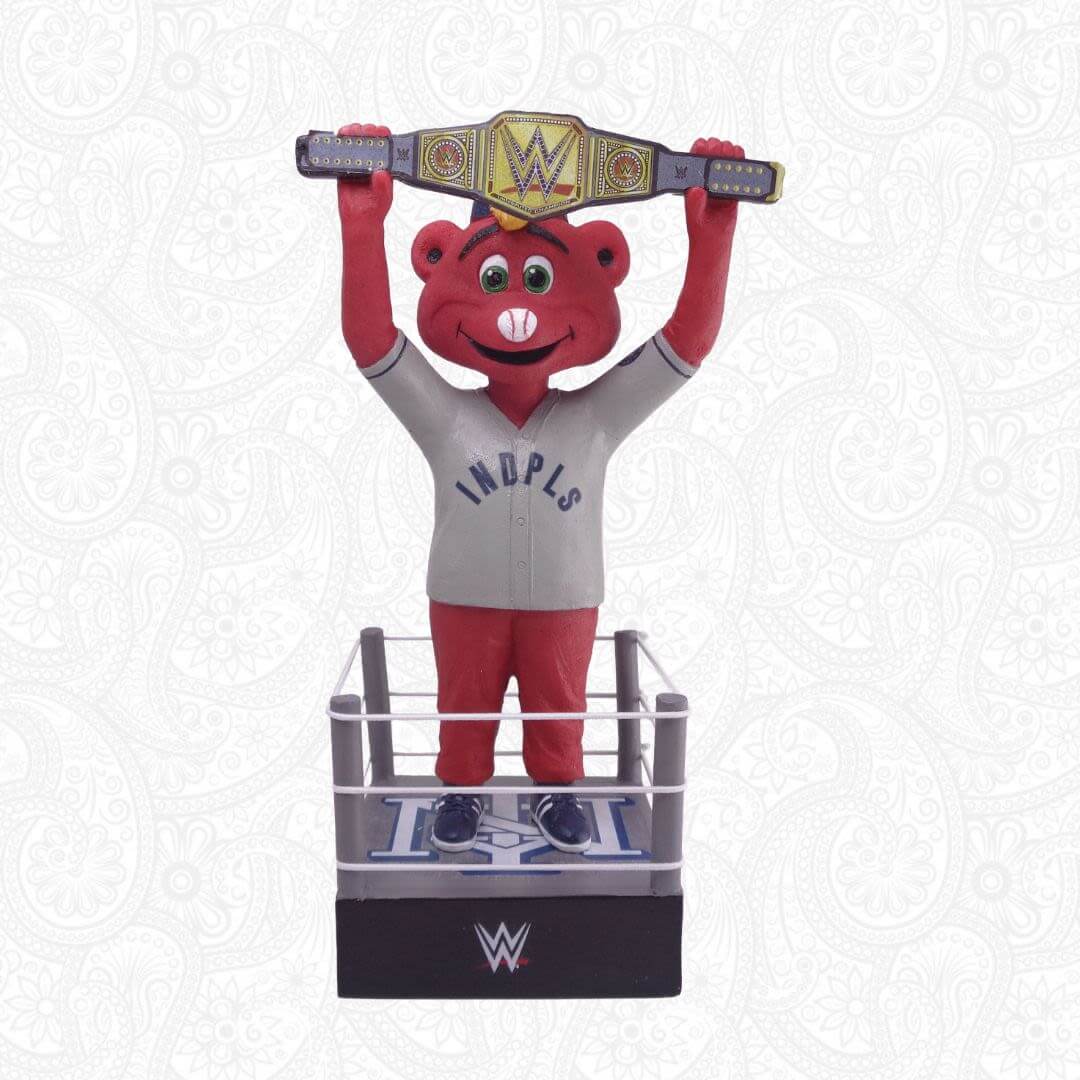
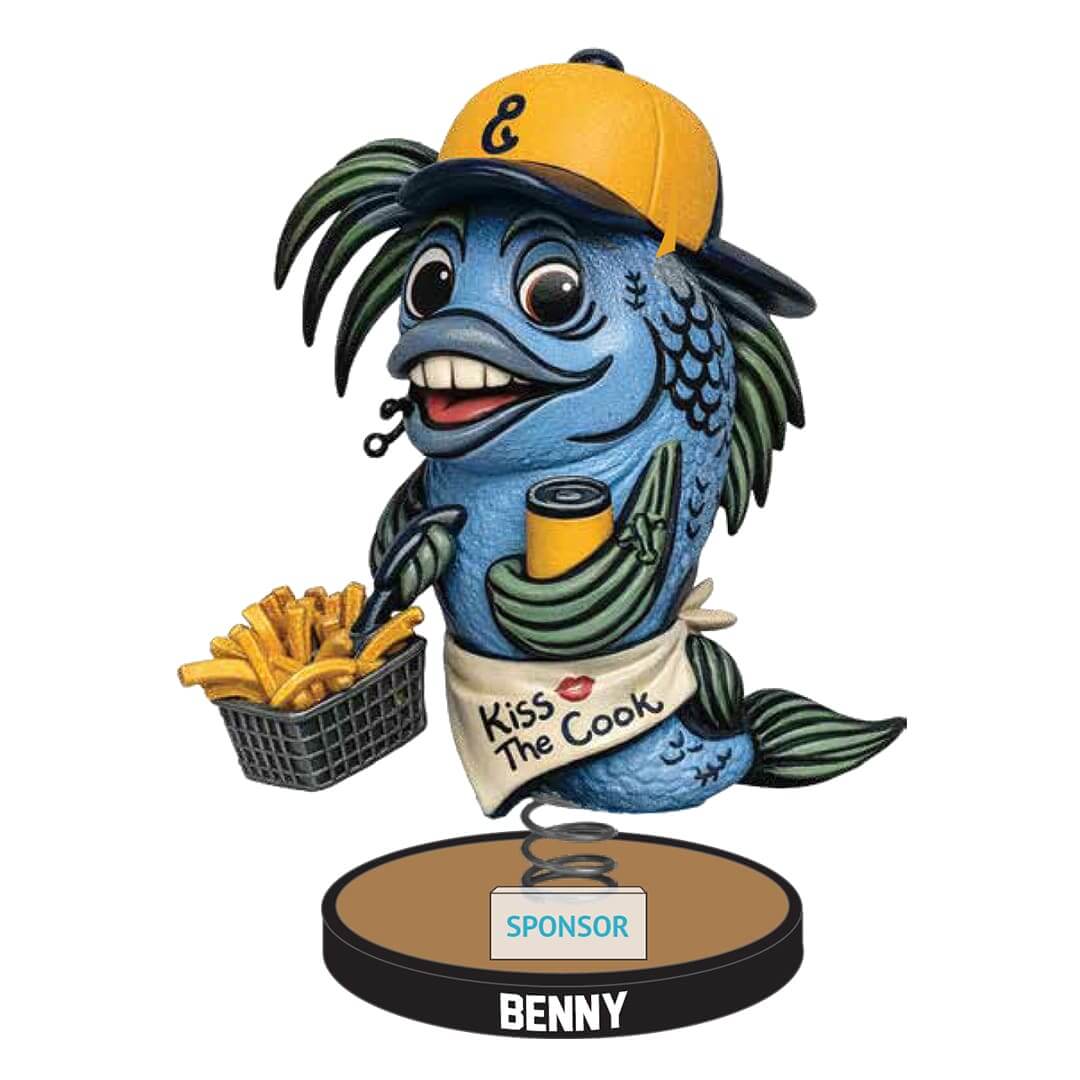
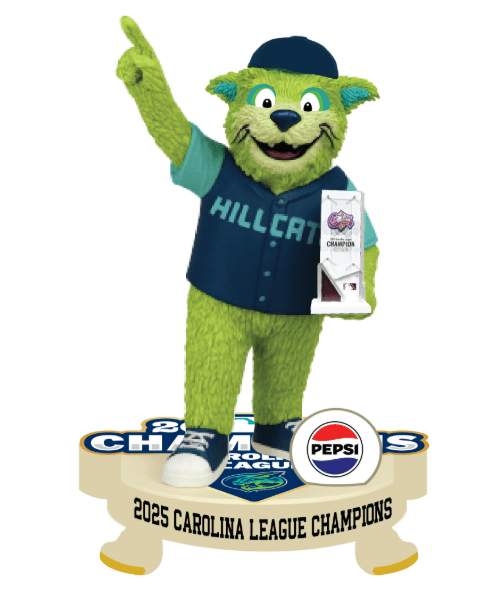
MLB teams do mascot bobbleheads too (Rockies' Dinger bobblehead June 7), but it's only one or two teams per season. MiLB teams build entire series around them.
2. Celebrity Crossovers & Local Fame
MLB teams occasionally license big brands — Star Wars, Hello Kitty, Harry Potter — but those are corporate partnerships that any team with enough budget can buy. MiLB teams go a different direction entirely. They tap into hyper-local fame and niche internet culture that a Fortune 500 marketing department would never greenlight:
- John Oliver Bobblehead (Erie SeaWolves) — the HBO host once featured their "Moon Mammoths" alternate identity on his show. So naturally, they made a bobblehead of him.
- Jay Chandrasekhar Bobblehead (Visalia Rawhide) — the Super Troopers director, appearing in person with a giveaway
- Muddy WWE Superstar Bobblehead (Toledo Mud Hens) — their mascot dressed as a professional wrestler
- Luchador Bobblehead (West Michigan Whitecaps) — lucha libre crossover for the local Hispanic community
- Lowrider Bobbleheads (Albuquerque Isotopes) — tied to their Mariachis de Nuevo México alternate identity night
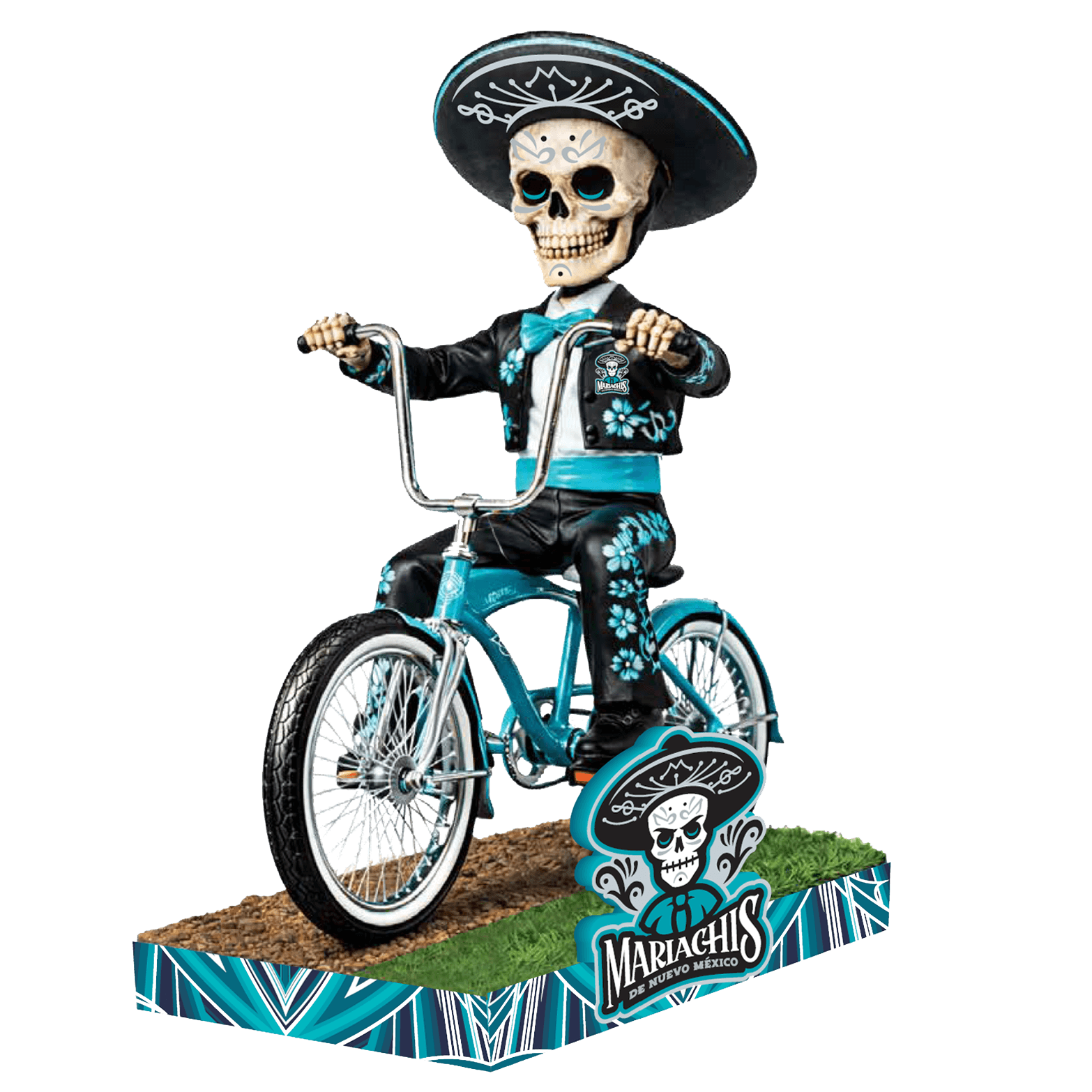
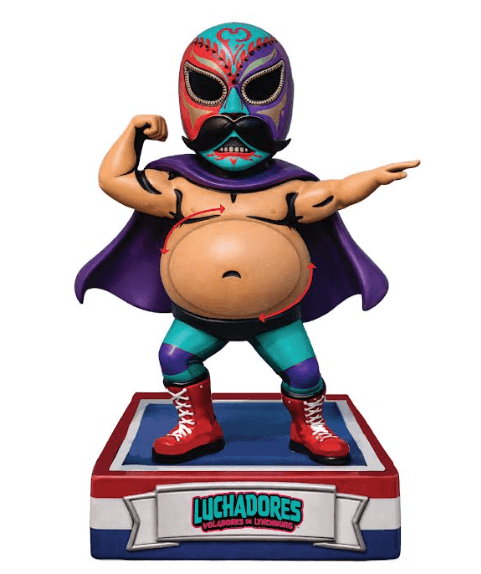
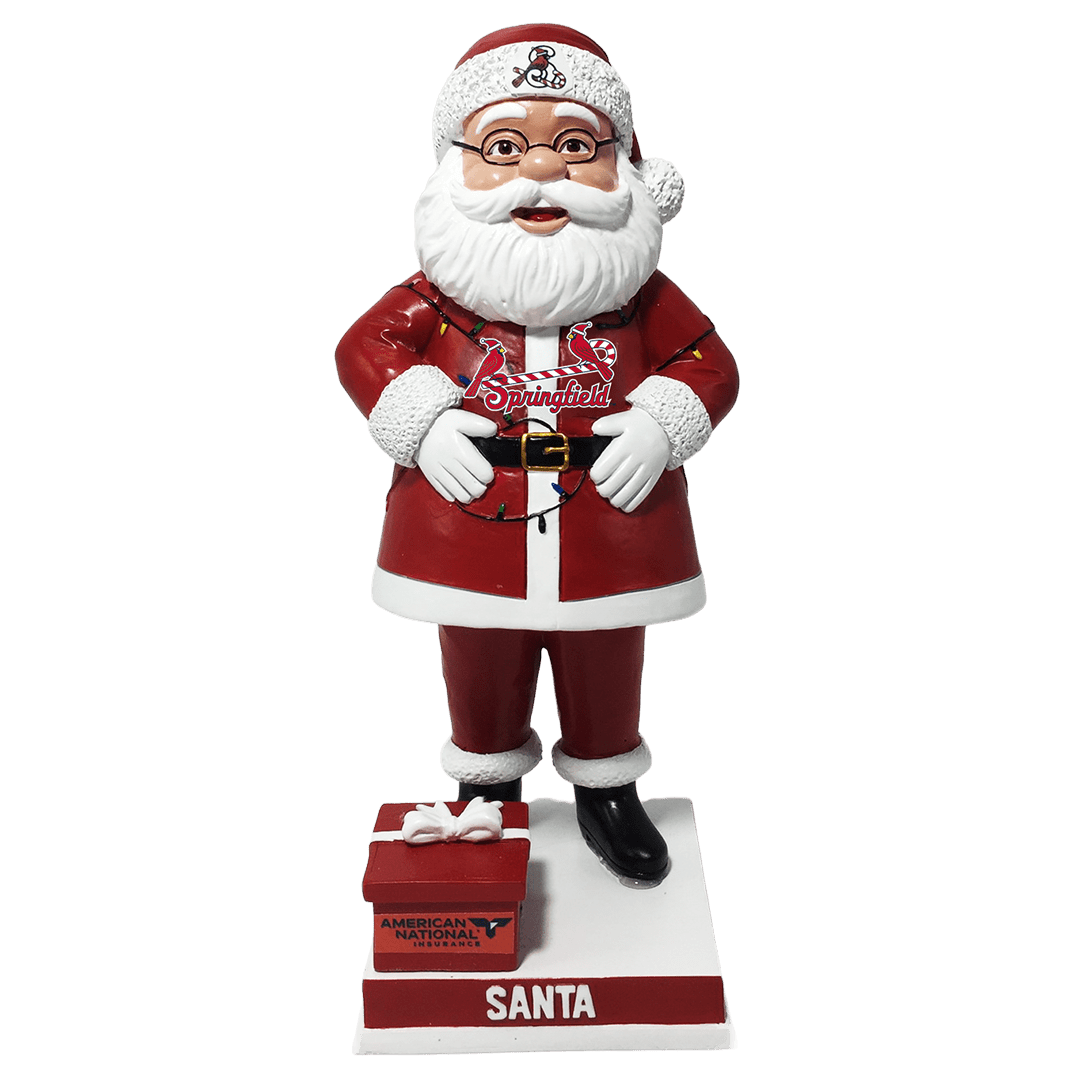
An MLB team would never give away a bobblehead of a fan who holds signs. Or a TV host who mentioned them once. MiLB teams celebrate the weird local connections that make each franchise feel like it belongs to its community.
3. Local Legends and Crossover Sports
MiLB teams tap into their local communities in ways MLB teams rarely do:
- Cooper Flagg Bobblehead (Portland Sea Dogs) — the basketball phenom who grew up in Maine, not a baseball player at all
- Pat Kelsey Bobblehead (Louisville Bats) — local college basketball coach
- Marty Prather "Sign Man" Bobblehead (Springfield Cardinals) — honoring a fan who holds up signs at every single home game. 2,000 units.
- Terry Francona Bobblehead (Louisville Bats) — beloved former manager
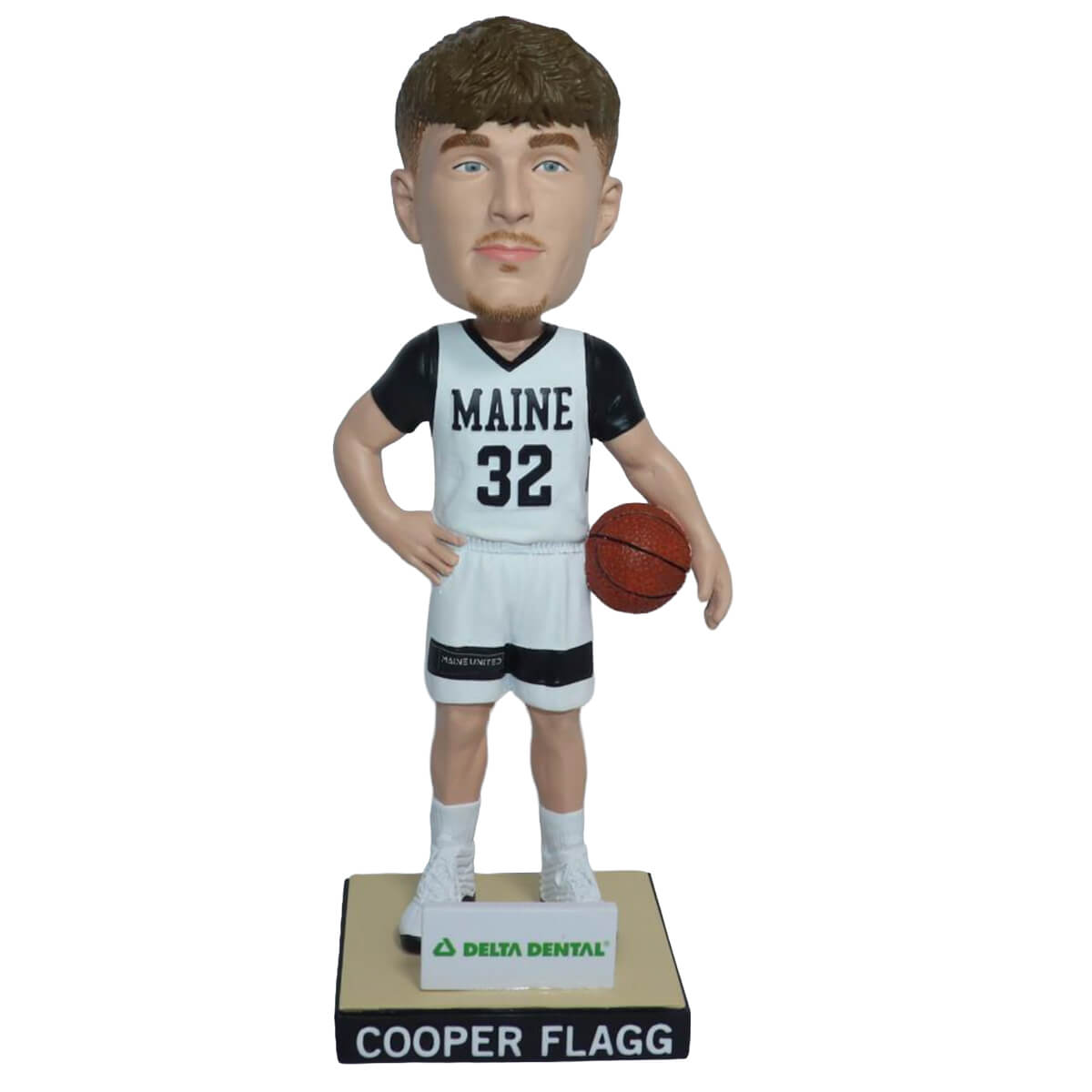
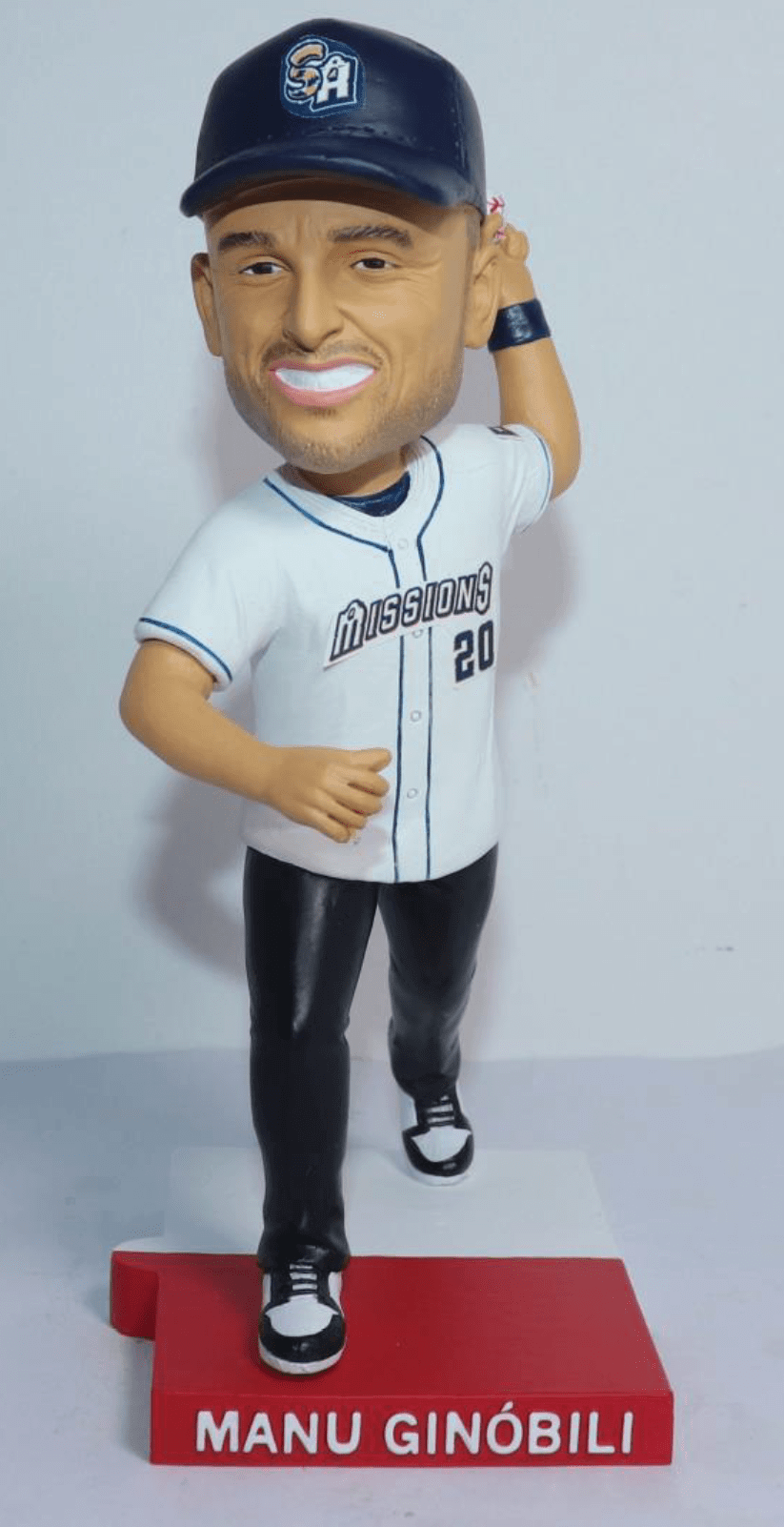
An MLB team would never give away a bobblehead of a comedian who mentioned them on TV. A MiLB team makes it a theme night.
4. Food Items with Legs
This might be the most MiLB thing that exists. The Manchester Fisher Cats are running a three-part chicken tenders bobblehead series this season: - Original Tenders Bobblehead - Coconut Tenders Bobblehead - Buffalo Tenders Bobblehead
That's three separate bobbleheads of chicken tenders. With different flavor variants.
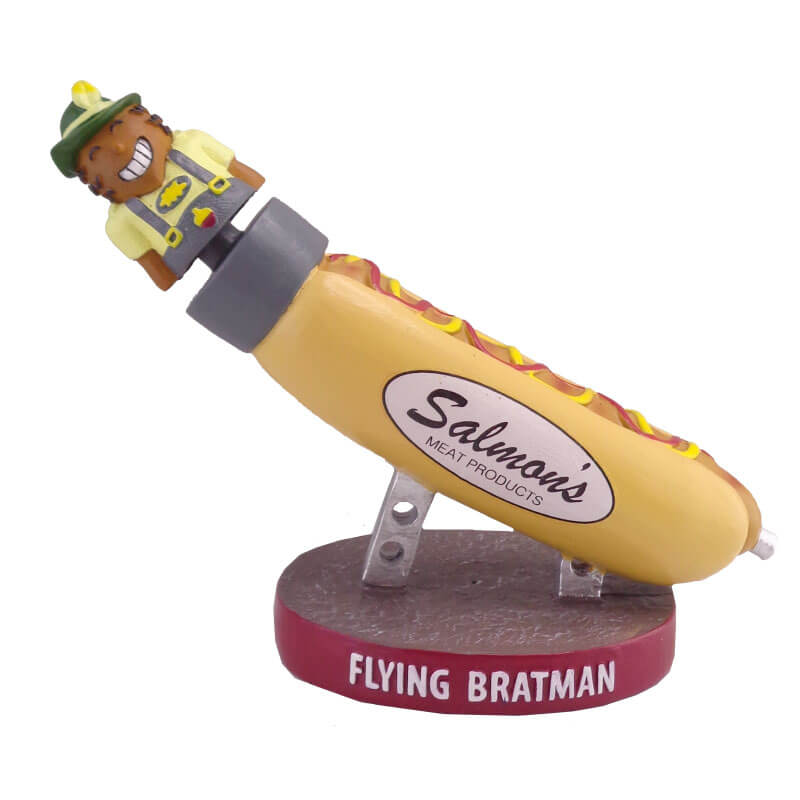
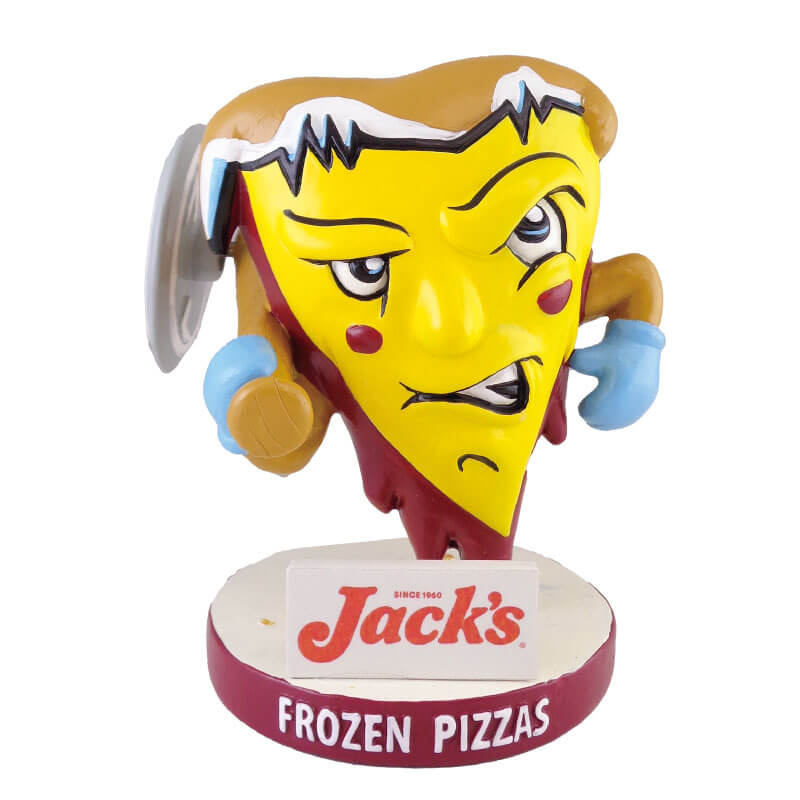
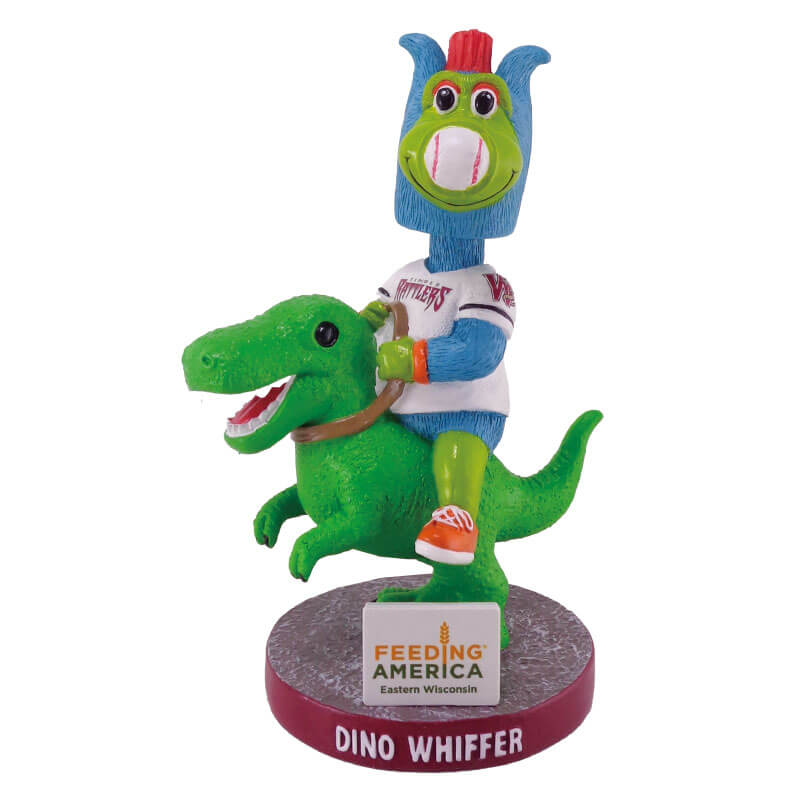
The Lehigh Valley IronPigs — whose entire brand is bacon-adjacent — are giving away a Chris P. Bacon Bobblehead. The Wisconsin Timber Rattlers have a Pizza Slice Bobblehead.
5. The Absolutely Unhinged Wildcards
Every MiLB season produces a handful of bobbleheads that make you say "wait, what?" This year's contenders:
- Pablo Sanchez Bobblehead (Toledo Mud Hens) — the fictional Backyard Baseball video game legend from 2001, immortalized in plastic in 2026
- Les "The Bat-Man" Kissick Bobblehead (Visalia Rawhide) — a local legend who catches bats at the stadium
- Moon Mammoths Weekend (Erie SeaWolves) — paired with the John Oliver bobblehead for maximum chaos
- Dangles & Digs Bobblehead featuring Franky & Roxy (West Michigan Whitecaps) — two mascots on one base
- Dinosaur Night Bobblehead & Jersey Package (Timber Rattlers) — a dinosaur, naturally
- Pensacola Sky Jockeys "Bat Albert" Bobblehead (Blue Wahoos) — an alternate identity involving a bat-riding jockey
- Udder Tuggers Brice Turang Bobblehead (Timber Rattlers) — yes, "Udder Tuggers" is their alternate identity for dairy night
What This Means for Collectors
If you collect bobbleheads as a fan of a specific team, MLB has you covered. You'll get your favorite players in various poses throughout the season.
But if you collect bobbleheads because they're weird, creative, limited-run pieces of folk art — MiLB is your league. These are the bobbleheads that start conversations. Nobody at a dinner party is going to ask about your Tyler Glasnow bobblehead (no offense, Tyler). But pull out a chicken tenders bobblehead or a John Oliver bobblehead? Now you have a story.
The Best Part: They're Easier to Get
MLB bobbleheads are typically given to the first 40,000 fans. Sounds generous until you remember that Dodger Stadium holds 56,000 and people start lining up at dawn.
MiLB bobbleheads are given to the first 1,000-2,000 fans at stadiums that hold 5,000-10,000. Show up 30 minutes before gates open and you're golden. The scarcity is lower. The stress is lower. The fun-per-dollar ratio is significantly higher.
Average MiLB ticket: $12-18. Average MLB ticket: $35-65+. You do the math.
The Verdict
MLB bobbleheads are polished, professional, and predictable. MiLB bobbleheads are chaotic, creative, and occasionally inexplicable. Both have their place in a collection.
But if you forced me to pick one league's bobblehead lineup for the rest of my collecting life? I'm going MiLB every time. Give me the chicken tenders. Give me the local bat-catcher. Give me the HBO host who mentioned the team once.
That's what makes this hobby fun.
Want to find MiLB bobbleheads near you? The Bobble Guide tracks every Minor League promotion across all levels.
🗺️ Browse MiLB Promotions → | 🗺️ Plan a Trip → | 📅 Browse Full Schedule →